

Peak Season Logistics: How to Keep Deliveries Moving When Demand Surges
Peak season is rarely one single event. For many businesses, it is a sequence of busy periods that put increasing pressure on stock, warehouses, transport capacity, delivery teams and customer service.
The UK summer bank holiday on Monday 31 August 2026 is a useful reminder that even a single long weekend can change normal demand and operating patterns. For retailers, manufacturers and other businesses, the bigger challenge comes later in the year, when Black Friday, Cyber Monday, Christmas and January returns can create a sustained period of elevated demand.
The businesses that manage peak well are not necessarily the ones with the biggest fleets or warehouses. They are the ones that understand where pressure is likely to appear, build flexibility into their logistics operation and make decisions before the rush begins.
In UK retail and ecommerce, peak season is commonly associated with November through January, covering Black Friday, Cyber Monday, the Christmas shopping period and the post-Christmas returns and sales period. However, peak demand can occur at other points in the calendar too. Bank holidays, school holidays, seasonal events, product launches and promotional campaigns can all create short, sharp increases in order volumes.
This matters because logistics capacity cannot always be increased at the same speed as demand. A business that normally has enough warehouse space, drivers and delivery slots may quickly find that its usual operating model is stretched when volumes rise. The result can be missed collection windows, delayed deliveries, stock bottlenecks and a higher number of customer queries.
- 31st August 2026 – Summer Bank Holiday: a long weekend that can affect staffing, open hours, transport schedules, and customer demand
- 27th November 2026 – Black Friday: a major promotional eCommerce peak
- 30th November 2026 – Cyber Monday: often extends the Black Friday surge rather than ending it.
- December 2026 – Christmas Period: demand becomes more time-sensitive as customers work towards Christmas delivery cut-offs
- January 2027 – Sales and returns: the operational peak does not necessarily end when Christmas does

1. Start with a realistic demand forecast
The first step in peak planning is understanding what demand could look like. Review previous peak periods, planned promotions, sales forecasts and any changes to your product range. Look beyond total order volume and consider when orders are likely to arrive, where they are going and what type of transport they require.
For example, a rise in smaller urban deliveries may require a different capacity plan from a surge in bulky retail stock moving between warehouses and stores. Similarly, a business handling high-value products may need specialist, timed or secure delivery rather than simply adding more standard transport.
Forecasting should also include a buffer. Peak periods rarely follow the forecast perfectly, and a small amount of additional capacity can provide valuable protection when demand is higher than expected.
Transport is only one part of the peak-season equation. If goods cannot be picked, packed, staged and released for collection quickly enough, additional delivery capacity will not solve the underlying problem.
Businesses should review warehouse space, picking processes, packaging availability, staffing and order cut-off times before peak begins. Where appropriate, positioning stock closer to the point of demand can also reduce delivery distances and make it easier to respond to urgent requirements.
For growing businesses, outsourced storage and fulfilment can provide additional flexibility without requiring a permanent expansion of the internal warehouse footprint. A strategically located fulfilment operation can also help businesses move orders into the delivery network earlier in the day.
3. Build flexibility into your delivery network
A common peak-season mistake is treating every delivery as if it needs the same solution. In reality, a flexible logistics operation should match the transport method to the shipment.
Same day delivery can be valuable for urgent stock replenishment, time-critical customer orders and situations where a missed delivery window could disrupt a wider operation. Next day services can provide a cost-effective option for planned shipments, while specialist transport may be appropriate for high-value, fragile, bulky or white glove consignments.
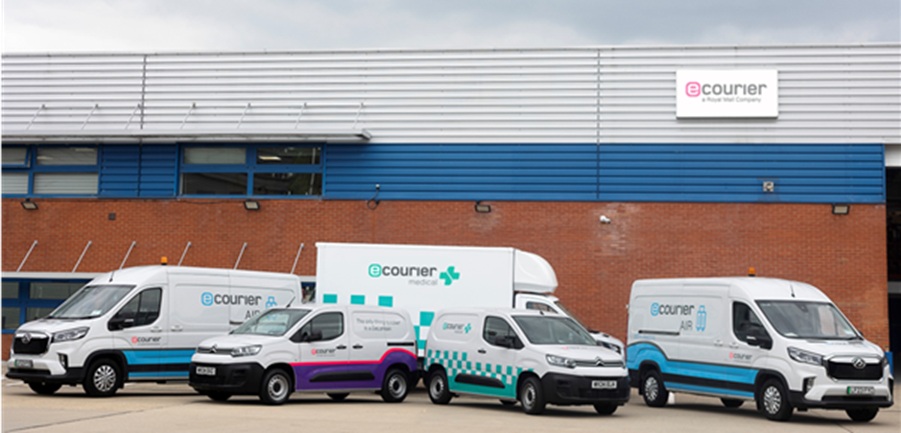
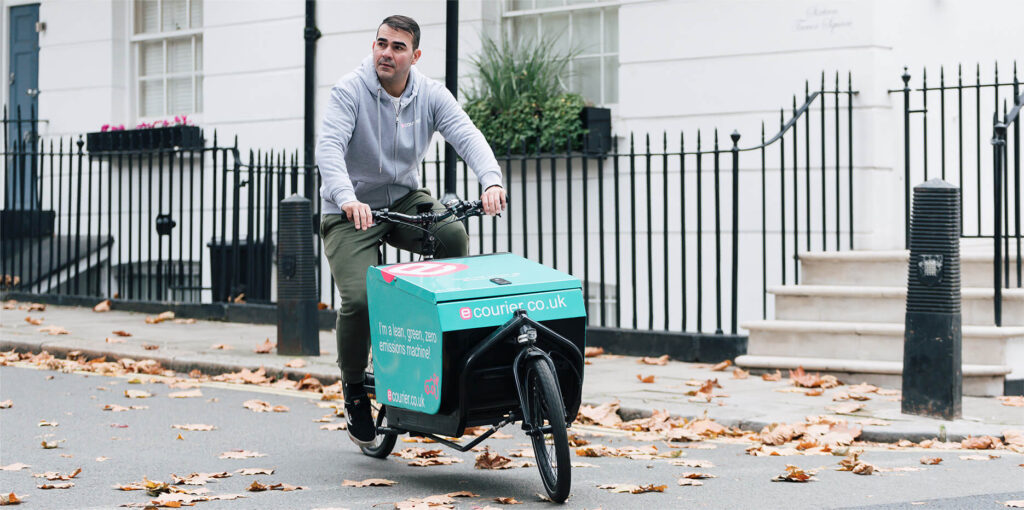
In dense urban areas, cargo bikes and electric vehicles can also offer practical advantages for last mile delivery. They can be particularly useful where congestion, parking restrictions and short-distance journeys make traditional van operations less efficient.
4. Do not leave capacity planning until December
Peak logistics planning should begin well before the busiest weeks. By September, businesses should already have a clear view of expected demand, key promotions, warehouse requirements and delivery capacity. Carrier and logistics partners should understand expected volumes early enough to plan resources.
It is also worth confirming service cut-offs and operational arrangements around bank holidays. The August bank holiday is a good example: Monday 31 August 2026 is a UK bank holiday, so businesses should check collection schedules, warehouse opening times, customer delivery promises and staffing well in advance. The same principle applies to the Christmas period, when fewer working days and tighter delivery deadlines can magnify even small delays.
5. Use technology to improve visibility
When volumes increase, visibility becomes more important, not less. Tracking systems, barcode scanning and live delivery updates can give operations teams a clearer picture of where shipments are and where potential delays are developing.
For businesses, the benefit is not simply being able to answer ‘Where is my order?’ It is being able to identify exceptions early and make decisions before a small delay becomes a wider operational issue. Integrating warehouse and transport information can also reduce manual administration and improve the accuracy of customer updates.
6. Have a plan for urgent and unexpected deliveries
Even the best forecast cannot account for every eventuality. Stock can arrive late, a store can run short of a popular product, a customer can miss a delivery or a critical component can be required unexpectedly.
A resilient peak operation therefore needs access to flexible transport capacity. Specialist same day courier services can provide a contingency option when standard delivery networks cannot meet the required timeframe. For businesses operating across the UK, a broad delivery network can also help support urgent movements between sites, suppliers, stores and customers.

7. Think beyond Black Friday and Christmas
It is easy to focus all peak planning on Black Friday. In practice, the operational pressure often continues for weeks afterwards. December brings increasingly urgent Christmas orders, while January can create another wave through sales, exchanges and returns.
Businesses should therefore plan capacity across the entire peak period rather than treating individual events as isolated spikes. Staffing, storage, packaging, transport and customer service all need to remain resilient after the initial promotional rush has passed.
A more resilient peak-season strategy
The strongest peak-season logistics strategies share a few characteristics: they are planned early, based on realistic data and flexible enough to respond when conditions change. They also recognise that logistics is part of the customer experience. A great product and an effective marketing campaign can quickly lose their impact if the delivery operation cannot keep up.
For many businesses, the answer is not simply adding more vehicles. It is creating a logistics model that can scale up and down, combining planned delivery services with specialist capacity when required. That might mean using fulfilment space closer to customers, introducing same day capability for urgent orders, using different vehicle types for different routes, or working with a logistics partner that can provide additional capacity during the busiest periods.
Peak season is a test of the whole operation
The August bank holiday may only create a short-term change in demand and operating schedules, but it highlights a wider lesson: logistics needs to be planned around the calendar, not simply around the average working week.
As businesses move towards Black Friday, Cyber Monday and Christmas, the organisations that perform best will be those that have already considered their capacity, delivery options, warehouse processes and contingency plans. Peak season does not have to mean logistics chaos. With the right preparation, visibility and flexibility, it can be an opportunity to demonstrate exactly how reliable your operation can be when demand is at its highest.
How eCourier can support peak-season logistics
eCourier supports businesses with same day courier, next day delivery, international delivery, specialist transport, warehousing and fulfilment. Its network includes a broad range of vehicle options, allowing businesses to select a delivery solution based on urgency, shipment size and destination. For businesses operating in and around London, zero-emission delivery options including cargo bikes and electric vehicles can also help support last mile operations in busy urban areas.
The aim is not to replace a company’s existing logistics operation, but to provide additional capability where it adds value, particularly when demand becomes less predictable. Whether that means supporting a planned peak, covering an urgent delivery or providing additional fulfilment capacity, flexible logistics can help businesses keep their promises when the pressure is on.
Get in touch with our friendly team retail@ecourier.co.uk
Ready to book? Log in or sign up.