

A professional man working on a laptop and computer in a stylish home office setting.

Scaling A Small Business: Essential Considerations For Businesses Ready to Grow

Running a small business isn’t easy. It comes with a wide range of responsibilities, including fulfilment and delivery. For many, logistics can feel overwhelming, especially if you’re new to the industry. As customer expectations for fast, reliable shipping continue to rise, scaling your business can quickly become challenging and costly if you’re not careful.

This article explores the key considerations small business owners should keep in mind when planning how to scale sustainably and efficiently.

Choose a Courier Who Fits Into Your Existing Business Setup

It may seem obvious, but aligning your logistics with your business is essential. Many business owners end up in situations where their supply chain dictates how they operate, rather than supporting it.

A dependable logistics partner should integrate smoothly into your existing setup, connecting directly with your sales channels and working in harmony with the way your business already runs.

  • Fewer manual tasks: Orders from platforms like Shopify or WooCommerce flow directly into your delivery system, so you’re not copying and pasting order details or managing spreadsheets.
  • Faster dispatch times: With orders automatically synced, you can get parcels our the door quicker, which is especially useful if you offer same day or next day delivery.
  • Better customer experience: Customers receive real time tracking updates without you needing to send emails manually, helping build trust and reduce “where is my order?” queries.
  • Easier scaling during busy periods: Whether it’s a seasonal spike or a sudden surge from a promotion, you can handle higher order volumes without needing to hire extra staff.
  • Fewer errors: Automation reduces the risk of missed orders, incorrect addresses, or duplicated shipments, which can be costly for smaller businesses.
  • Centralised Operations: Managing orders, deliveries, and tracking in one place gives you a clearer overview of your operations, making it easier to stay organised as you grow.
  • Cost efficiency over time: While outsourcing logistics might seem like an added cost, it often reduces hidden expenses like staff time, failed deliveries, and operational inefficiencies.
  • Flexibility across channels: If you sell across multiple platforms like Squarespace or marketplaces, an integrated partner keeps everything connected without extra admin.
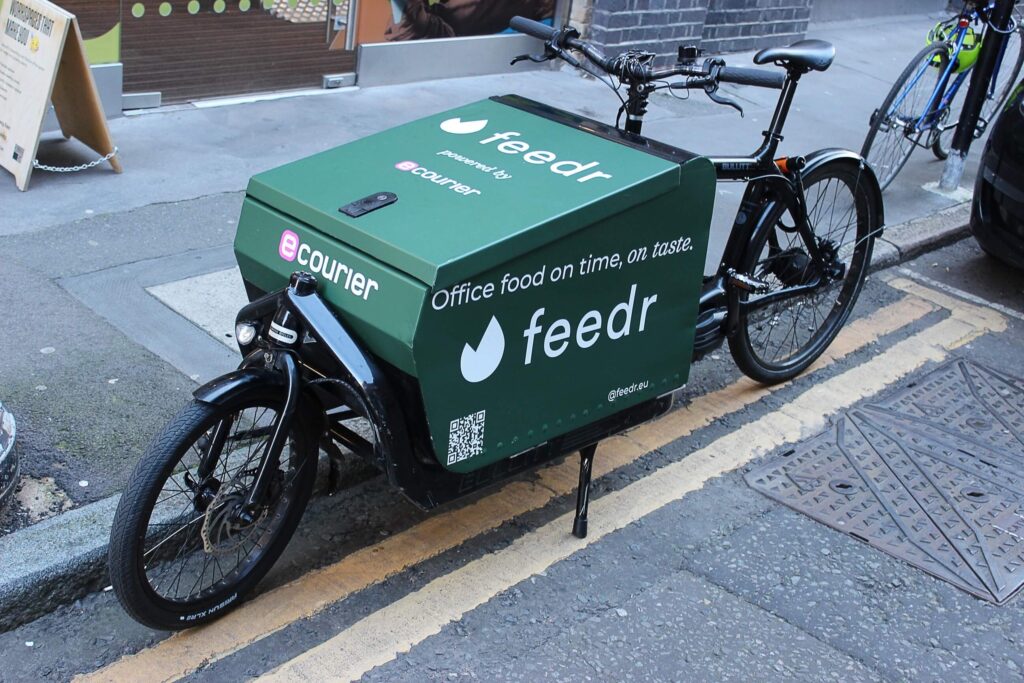

Standard Fleet, Co-Branding or White Glove?

Specialist courier services can give small businesses a real competitive advantage, particularly when it comes to branding and customer experience. Options like branded delivery vehicles, co-branding, and White Glove services are ideal for businesses that place strong emphasis on how they present themselves.

Take a small bakery in London delivering to local customers. In a business like that, brand visibility and customer experience often go hand in hand. White Glove delivery is designed for businesses that want to offer a more premium, “VIP” experience. It’s typically used for high-value or fragile items, with deliveries carried out according to specific handling instructions set by the business.

Co-branding, on the other hand, offers a more flexible and cost-effective way to personalise your delivery fleet. For example, at eCourier, a co-branded vehicle might feature a smaller eCourier logo alongside your brand colours, logo, and messaging. You might see something like “Billy’s Bakery – Powered by eCourier” displayed on the vehicle. It’s a practical option for businesses working with tighter budgets but still looking to elevate their brand presence on the road.

Sustainability in the Last Mile

Last-mile delivery is the final stage of the journey, typically from a warehouse to the customer’s doorstep. As sustainability becomes a bigger priority, more businesses are weaving it into their CSR strategies. This shift goes beyond marketing, reflecting a genuine focus on reducing environmental impact, both globally and within local communities.

The right logistics partner can support this by offering greener delivery solutions, from optimised and multi-drop routes to electric and zero-emissions vehicles, alongside clear and transparent reporting. For business owners looking to reduce their footprint, choosing a partner that prioritises sustainability can streamline operations while adding a meaningful competitive edge.

Same Day, Next Day, or International?

Choosing the right delivery model for your business can feel like a balancing act. When managing logistics in-house, many business owners quickly get a sense of what their customers expect. You might notice growing demand for same day delivery nationwide, or an increase in international customers wanting access to your products.

Working with the right logistics partner gives you the flexibility to meet those expectations. Whether you want to offer cross-border shipping or fulfil orders on the same day, the choice is entirely yours. For less time-sensitive purchases, next day delivery remains a reliable option for customers who are happy to receive their order on the following working day.

By partnering with a logistics provider that offers a range of delivery options, you position your business to reach customers beyond your immediate region, making your products more accessible and your service more competitive.

A diverse team of colleagues collaborating on a business project in a modern office setting.

What Scaling Means For Your Business

Scaling isn’t about adding pressure, it’s about building smarter systems that allow your business to grow without stretching your time, team, or resources. When done right, scaling increases revenue without a matching rise in costs, creating a more efficient and resilient operation. It shouldn’t create disruption across your business, and it certainly shouldn’t leave you feeling burned out.

Instead, successful scaling tends to follow a structured approach seen across many real-world case studies: refining processes before expanding, investing in tools that automate repetitive tasks, and partnering with providers who can flex with demand. Businesses that scale effectively often focus on strengthening their foundations first, whether that’s streamlining fulfilment, improving customer experience, or tightening operational workflows.

Growth then becomes sustainable rather than reactive. Rather than constantly firefighting, business owners are able to step back, make clearer decisions, and focus on long-term strategy. The result is a business that can handle increased demand confidently, without compromising on quality or control.

Final Thoughts

In conclusion, scaling your business is most effective when supported by a flexible logistics partner that adapts to your needs rather than forcing you to change your operations.

By understanding your customers’ expectations and choosing the right delivery solutions, you can expand your reach more efficiently. A strategic, planned approach to growth will always deliver more sustainable long-term results than reactive decisions.

Ready to book? Log in or sign up.

Scroll to Top