
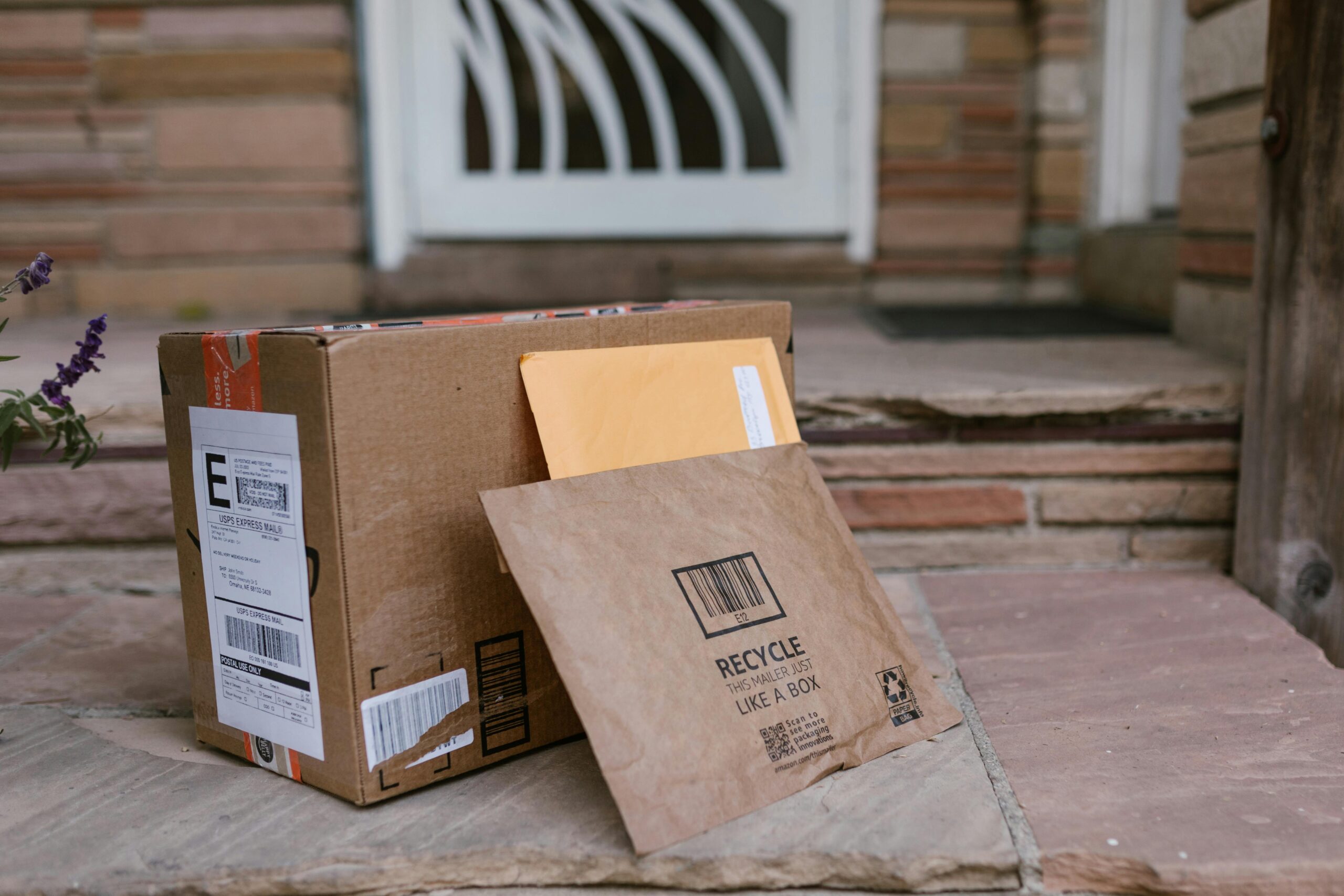
Why Next Day Delivery Is No Longer Optional For Retailers
Less than a decade ago, next day delivery was considered a premium add-on service for deliveries fulfilled by larger retailers with sophisticated logistics networks. Today, it has become an expectation. Across the UK retail sector, speed of delivery now plays a decisive role in customer satisfaction, repeat purchases, and brand perception.
The shift has not happened by accident. Consumer behaviour, marketplace competition, and advances in logistics infrastructure have fundamentally reshaped what “good service” looks like. For retailers of all sizes, next day delivery is no longer a differentiator. It is part of the baseline.
Changing Customer Expectations
Retail customers have grown accustomed to convenience. The rapid growth of ecommerce, combined with increasingly seamless checkout experiences, has shortened the gap between desire and purchase. Once a customer clicks “check out”, the expect minimal waiting times.
Multiple studies show that delivery speed directly impacts conversion rates. When customers are given clear next day delivery options at checkout, basket abandonment decreases. In contrast, extended delivery windows create hesitation. In sectors such as fashion, electronics, beauty, and gifting, delayed delivery can mean missed occasions and lost sales.
This expectation is not limited to large national retailers. Even regional independent brands are judged against the same standards. Customers do not compare small retailers with other small retailers anymore, they compare the every online purchase experience to the fastest one they have ever had.
The Competitive Landscape
The UK retail environment has always been intensely competitive. Marketplaces and large eCommerce platforms have raised the bat on fulfilment speed, pushing the entire sector forward. As a result, retailers that cannot offer next day delivery risk appearing outdated or inconvenient.
However, competing on speed does not necessarily mean replicating the infrastructure of multinational organisations. Many retailers now partner with courier providers to bridge that gap. By integrating next day delivery services into their checkout process and fulfilment workflows, retailers can meet customer expectations without overextending operational resources.
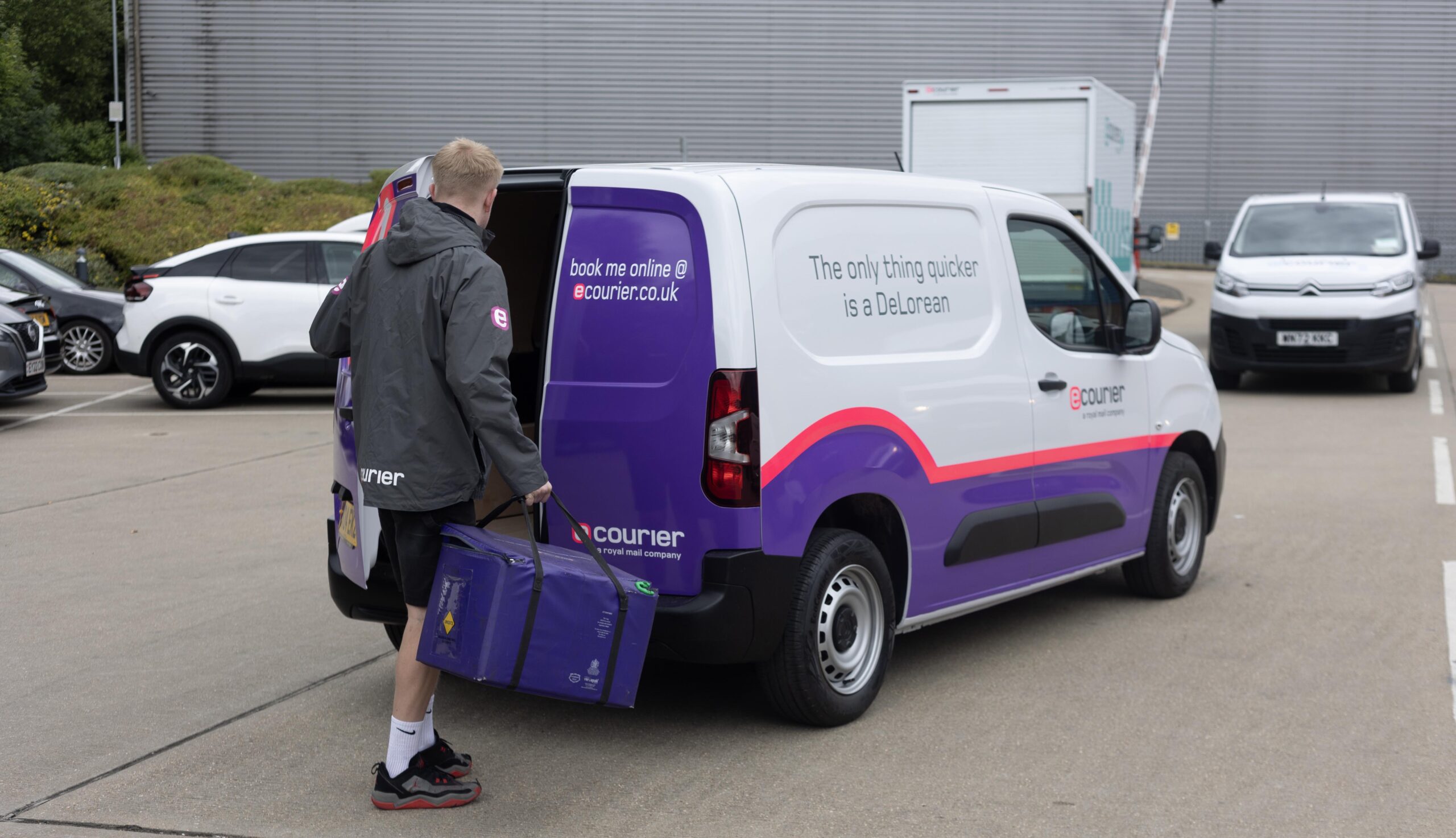
For businesses operating in major metropolitan areas, particularly London and other major cities like Manchester and Birmingham, a reliable courier partnership is essential. Providers like eCourier, for example, support retailers with structured next day and time sensitive delivery services that align with modern eCommerce requirements. It is important to not only focus on speed, but to also pay attention to reliability and transparency to win customer confidence.
Impact on Conversion and Revenue
Delivery options now directly influence revenue. When next day delivery is visible, clearly priced, and reliable, customers are more likely to complete their purchase. In many cases, they are also willing to pay a reasonable premium for speed.
Retailers often worry about the cost implications of introducing next day services. Yet, the real cost may lie in not offering next day delivery at all. Customers purchasing last-minute gifts or urgent items frequently add additional products when they are confident everything will arrive on time. The reassurance of speed significantly reduces friction throughout the buying journey.
Moreover, next day delivery can increase average order value. Lost conversions, reduced customer lifetime value, and diminished brand perception can outweigh incremental delivery expenses.
Operational Considerations
Implementing next day delivery does require planning. Cut-off times, stock visibility, warehouse efficiency, and courier coordination all play a role. Retailers must ensure that internal processes align with external delivery promises.
This is where operational partnerships become critical. Courier providers with experience in time-sensitive logistics understand the importance of collection schedules, route optimisation, and proactive communication. Retailers benefit from structured processes rather than ad hoc arrangements.
For example, working with a courier partner that offers consistent next day services across key UK regions can simplify fulfilment planning. Retailers can build delivery promises into their website messaging with confidence, knowing that service levels are backed by established infrastructure.
Brand Perception and Trust
When a retailer promises next day delivery and fulfils that promise consistently, it strengthens brand credibility. Missed delivery windows quickly erode customer confidence.
In the age of online reviews, UGC, and social media, delivery failures are extremely visible. Retailers must treat fulfilment as an extension of their brand experience. Packaging, tracking updates, and timely arrival all shape how customers perceive the business.
Reliable next day delivery supports positive post-purchase experiences. Customers who receive their order promptly are more likely to leave favourable reviews, recommend the brand, and return for future purchases.
Supporting Multichannel Retail
Next day delivery also plays a key role in multichannel retail strategies. As retailers blend physical stores with online platforms, fulfilment flexibility becomes increasingly important. Stock may be dispatched from distribution centres, retail locations, or third-party warehouses.
Courier partners who understand logistics in the city, help retailers maintain consistency across all platforms. Businesses operating in densely populated areas often required dependable next day routes that accommodate fluctuating volumes. This is particularly important during peak periods.

Future-Proofing Retail Operations
Looking ahead, delivery speed expectations are unlikely to reverse. If anything, they are projected to tighten. Retailers that embed next day delivery into their operational model now will be better positioned to adapt to future shifts in consumer demand.
Future-proofing does not mean overspending and over-complicating logistics. It means building a scalable partnership and process that can grow alongside the business. Structured next day services, transparent tracking, and dependable collections provide a foundation for long-term competitiveness.
Conclusion
Next day delivery as evolved from a premium feature to a core requirement within the UK retail sector. Customers expect it, competitors offer it, and conversion rates increasingly depend on it.
For retailers, the challenge is not whether to provide next day delivery, but how to implement it sustainable. By aligning internal operations with experienced courier partners and setting realistic, reliable delivery promises, businesses can meet modern expectations without sacrificing margin or service quality.
In today’s retail landscape, speed signals professionalism. And when executed consistently, next day delivery becomes a strategic asset.