
Why Sustainability Matters in the Last Mile
The last mile is often the most visible part of a delivery journey. It is the point where goods move from a local depot, shop, or fulfilment centre to the person or business waiting for them. It is also a part of logistics where the right choices can make a meaningful difference to emissions, congestion, and the overall efficiency of deliveries.
As online shopping, on-demand services, and customer expectations continue to grow, the number of deliveries on our roads matters. Every journey uses resources, and poorly planned routes, missed deliveries, and under-used vehicles can add unnecessary mileage. Making last-mile logistics more sustainable is not simply about changing the vehicles we use. It is about planning better, choosing the right delivery method and making each journey work harder.
Transport is a significant source of greenhouse gas emissions, so reducing the impact of delivery activity is an important part of building a lower-carbon economy. In the last mile, small operational improvements can add up: fewer unnecessary trips, better route planning, more efficient vehicles, and delivery options suited perfectly to the size and urgency of each consignment.
There are practical benefits too. More efficient deliveries can help reduce the congestion and wasted time, while better use of vehicle capacity can improve productivity. For businesses, working with a delivery partner that takes sustainability seriously can support their own environmental goals and help them make more informed decisions about how goods move through their supply chains.
There is no single solution that suits every delivery. A document travelling across central London has different needs from a pallet of equipment heading to a regional site. Sustainable logistics means matching the job to the most suitable vehicle and service, rather than relying on a one-size-fits-all approach.
Vehicle choice is one of the clearest ways to influence the environmental impact of a last-mile delivery. Where a journey and consignment allow, a pushbike or cargo bike can be an effective alternative to a motor vehicle, particularly for smaller items and deliveries in busy urban areas. They take up less road space and produce no tailpipe emissions while in use.
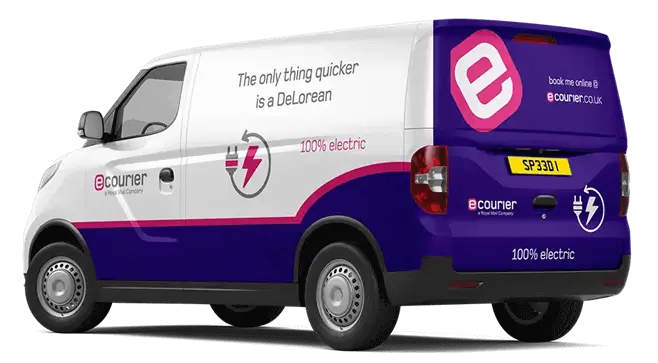
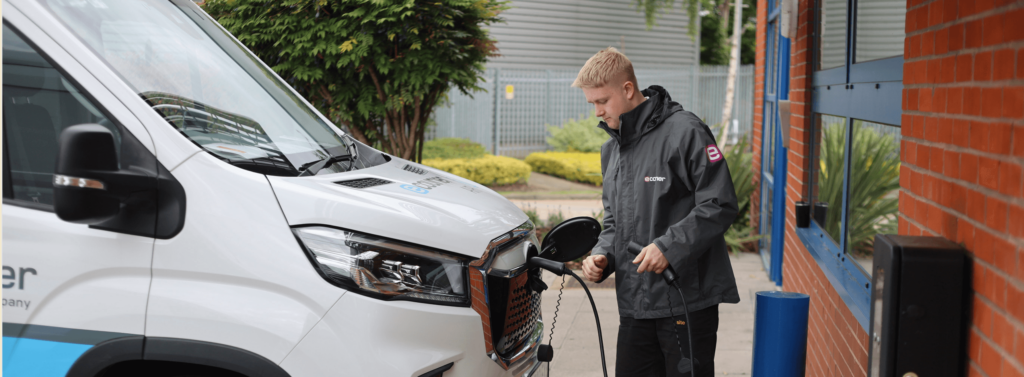
For other consignments, electric vehicles can help reduce tailpipe emissions compared with conventional vehicles. They are an important part of the transition to lower-emission urban delivery, especially when paired with thoughtful route planning and suitable charging arrangements. Larger or heavier consignments may still require a van or specialist vehicle, which is why a varied fleet matters.
At eCourier, our fleet includes pushbikes, cargo bikes, electric vans and a range of other vehicles to suit different delivery requirements. More than 20% of our fleet is electric, and we continue to develop our lower-emission options as our operations evolve. The aim is to make a more sustainable choice possible wherever the delivery requirements and local conditions allow.
Making every journey count
A lower-emission vehicle is only one part of the picture. The way a delivery is organised also matters. Intelligent routing, effective coordination and clear delivery information can help reduce avoidable mileage and make better use of the vehicles already on the road.
Live tracking and proof of delivery can also help businesses manage deliveries with greater visibility. When recipients can follow a delivery and teams can see its progress, it becomes easier to coordinate handovers and respond to issues. Better communication can help prevent avoidable repeat attempts, which may otherwise create additional journeys.
The last mile is rarely a simple straight line. It involves changing traffic conditions, delivery windows, different consignment sizes and customers with different needs. Combining operational experience with technology helps delivery teams make informed decisions as those conditions change.
Measuring progress, not just making promises
Sustainability commitments need to be supported by action and measurement. eCourier is working towards Net Zero by 2040, with targets for Scope 1, 2 and 3 emissions by 2030. These targets provide a framework for reducing the emissions associated with our own operations and the wider value chain, while recognising that progress requires ongoing review.
We also use carbon reporting to help make the environmental impact of delivery choices more visible. Our Carbon Cost information at checkout gives customers an additional way to consider the carbon impact of a booking alongside its practical requirements. Greater visibility can help businesses compare options and make choices that fit their operational needs and sustainability priorities.
Measuring progress is important because fleet technology, infrastructure and delivery patterns continue to change. Reviewing performance helps identify where improvements are working and where further effort is needed. It also keeps sustainability connected to day-to-day decisions, rather than leaving it as a statement of intent.
Sustainability works best as a shared effort
Delivery companies can make changes within their own operations, but more sustainable logistics depends on collaboration across the supply chain. Retailers, manufacturers, healthcare providers and other organisations can all help by sharing accurate delivery information, planning stock movements carefully and selecting services that match the urgency and size of each consignment.
Consolidating orders where appropriate, preparing goods for collection on time and providing clear access instructions can all help a delivery run smoothly. For some consignments, a same day service is essential. For others, a planned or consolidated movement may be suitable. The important thing is to choose based on the real need, while considering opportunities to avoid unnecessary journeys.
Sustainability should not come at the expense of reliability. Businesses still need goods delivered safely, on time and with clear tracking. The challenge, and the opportunity, is to bring environmental thinking into the decisions that support those outcomes.
There is no quick fix for the environmental impact of delivery. Progress comes through a combination of cleaner vehicles, smarter planning, useful data and better collaboration with customers. Each measure has a role to play, and the right mix will depend on the delivery itself.
At eCourier, our work towards Net Zero, our growing electric fleet, our use of cargo bikes and our Carbon Cost information are all part of that ongoing effort. We will continue to look for practical ways to make deliveries more efficient and lower-emission, while keeping service, visibility and reliability at the heart of the experience.
A more sustainable last mile is not just about how a parcel reaches its destination. It is about making better decisions across the journey, reducing avoidable impact and helping businesses move the goods they rely on with greater care.
Ready to book? Log in or sign up.